
Född 25 december 1859, död 15 februari 1924 i Italien.
Dotter till G. V. Palm. Gift 1901 med italienske officeren A. de Rosa. Anna Palm var akvarellist och har utfört en mängd motiv från Stockholm och skärgården samt även franska och italienska landskap med staffage av bönder och hästar.
1748-1822. Född i Bergen, död i Köpenhamn.
Dansk nationalekonom. Han kom som ung till Island där han blev assistent vid Handelskompaniet. 1774 verksam som köpman och 1781 administrativ direktör för den 'Kgl. grönlandske, islandske, finmarkske och faeröske Handel'. 1791 blev han vice rådman och 1804 rådman i Köpenhamn. Han utsågs till statsråd och utvecklade ett rikt författarskap, särskilt i ämnen som handel, fiske och valfångst. Av särskilt intresse för Norge är 'Det finmarkske Magasins Samlinger' (1790).
Bland arbeten.
Det finmarkske Magasins Samlinger.
Bricka.
Se DELAMARCHE, CHARLES-FRANCOIS.
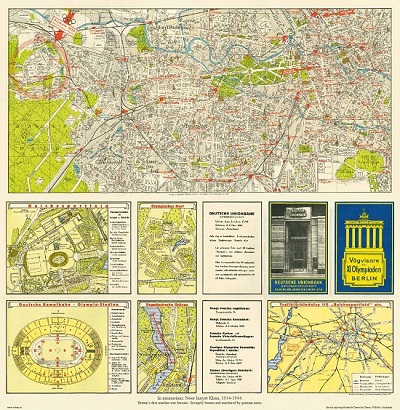
Vägvisare för XI Olympiaden i Berlin - 1936
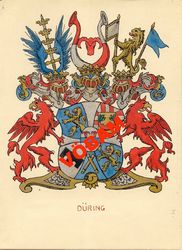
Düring - C. H. Tersmeden ca 1900.
