
1721 - ca 1862.
The Amsterdam publishing firm of Covens and Mortier (1721 - c. 1862) was the successor to the extensive publishing empire built by Frenchman Pierre Mortier (1661 - 1711). Upon Mortier's death in 1711 his firm was taken over by his son, Cornelius Mortier (1699 - 1783). Cornelius married the sister of Johannes Covens (1697 - 1774) in 1821 and, partnering with his brother in law, established the Covens and Mortier firm. Under the Covens and Mortier imprint, Cornelius and Pierre republished the works of the great 17th and early 18th century Dutch and French cartographers De L'Isle, Allard, Jansson, De Wit, and Ottens among others. They quickly became one of the largest and most prolific Dutch publishing concerns of the 18th century. The firm and its successors published thousands of maps over a 120 year period from 1721 to the mid-1800s. During their long lifespan the Covens and Mortier firm published as Covens and Mortier (1721-1778), J. Covens and Son (1778 - 94) and Mortier, Covens and Son (1794 - c. 1862)
...
Engelsk bokhandel- och förlagsfirma grundlagd i London 1724 av Thomas Longman (se denne). Bland förlagets författare under den första tiden finner vi David Hume - en senare innehavare av Thomas Norton Longman (1771-1842). Under hans tid möter vi Walter Scott, Thomas Moore m.fl. Förlagets produktion spände även över kartor, men de verkar ha varit i mer begränsad skala. Under årens lopp har firman övertagit flera andra förlag. Under firmanamnet Longmans, Green & Co. driver det idag en världsomspännande verksamhet med filialer över hela det brittiska imperiet.
Dict. nat. biogr.
Född 1810 7/4 i Lund, död 1876 12/10 i Jönköping.
Fanjunkare vid Södra Skånska Infanteriregementet. Gravör. Son av Peter Magnus Billman och Catharina Elisabeth Roth. Guldsmedslärling i Lund, Malmö och 1852 i Stockholm, övergick sedermera till den militära banan, som han dock lämnade 1840, då han började en ny verksamhet som kringresande gravör. »Hans yrkesfärdighet var konstnärens.» (Jönköpings Tidning 1844 13/7.)
Bland arbeten.
Utsikter, kartor, växlar, adress- och visitkort.
Hultmark, 1944.
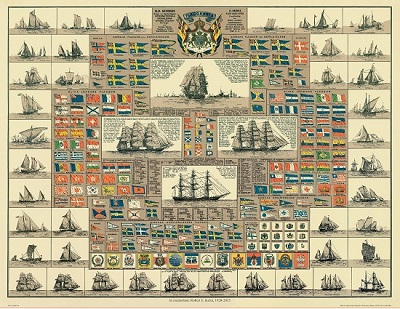
Amiral Häggs flaggkarta. - Stockholm 1888.
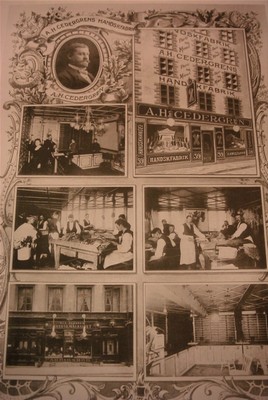
A. H. Cedergrens Handskfabrik - 'Sveriges Industri, dess Stormän och Befrämjare' ca 1900.
